Aperol: The Orange Aperitivo That Took Over the World
From Padua to global phenomenon — the story behind the world's most Instagrammed cocktail
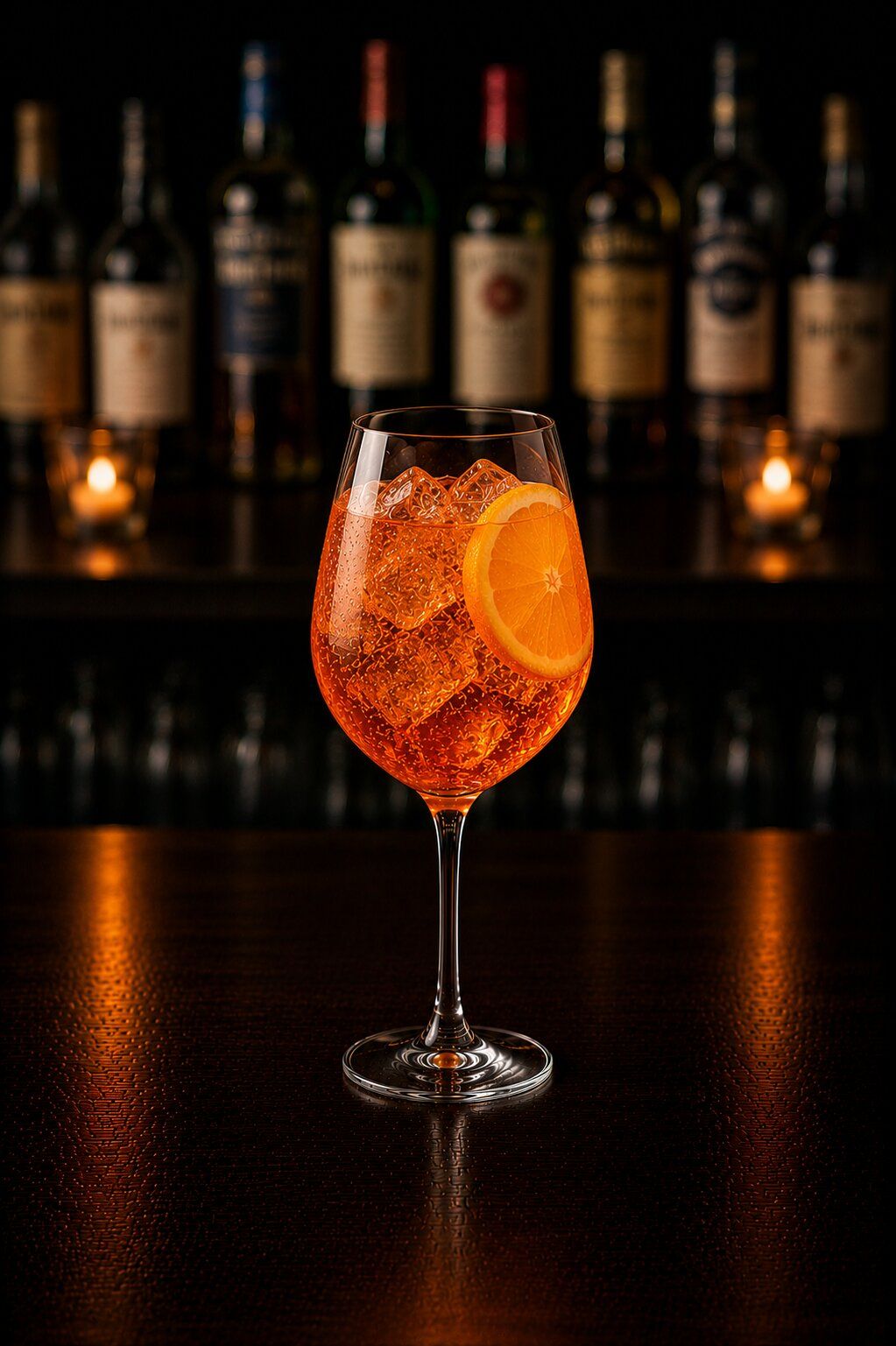
In 2021, Aperol Spritz became the most popular cocktail in the world. Not the most talked-about, not the most Instagrammed — the most consumed. Hundreds of millions of servings poured in bars, restaurants, garden parties and kitchen tables across the globe. The drink that once defined leisure on the Italian Riviera now defines leisure everywhere. But what actually is Aperol, and how did it get here?
What Is Aperol?
Aperol is a bitter Italian aperitivo liqueur produced by the Campari Group, bottled at 11% ABV — low enough to be genuinely sessionable. It was created in 1919 by the Barbieri brothers in Padua, initially served at the Padua International Fair as an alternative to stronger, darker digestivos.
The exact recipe is proprietary, but Aperol is known to contain gentian root (the primary bitter), rhubarb, cinchona, and a blend of sweet and bitter oranges, along with other herbs and spices. The resulting liquid is a vivid sunset orange with a flavour that balances sweet citrus against herbal bitterness — gentler and sweeter than Campari, which is its more intimidating sibling.
Campari is Aperol's older, more serious sibling: higher ABV (25%), more intensely bitter, with a deeper ruby colour. Both are made by the Campari Group. If you like Aperol Spritz, try a Campari Tonic next — it's the grown-up version.
The Spritz: A Venetian Invention
The spritz predates Aperol by almost a century. When the Habsburg Empire controlled the Veneto in the early 19th century, Austrian soldiers found the local wines too strong and began diluting them with a "spritz" of water — from the German word for spray. The habit stuck, evolved, and became the defining drinking ritual of the Italian northeast.
By the time Aperol appeared in 1919, the practice of adding bitter liqueurs to sparkling wine was already well-established in northern Italy. The Aperol Spritz as we know it — Aperol, Prosecco and soda water in a wine glass over ice with an orange slice — was already common in the Veneto by the 1950s. The cocktail didn't spread globally until the 2000s, when the Campari Group launched a major marketing push. The rest is history.
How to Make the Perfect Aperol Spritz
The formula is 3-2-1: three parts Prosecco, two parts Aperol, one part soda water. This matters. Many bars do it backwards, drowning the Prosecco in Aperol — a mistake that makes the drink too sweet and too strong.
Use a good Prosecco, not a cheap one. The Prosecco is 60% of the drink; its quality matters enormously. Serve in a large wine glass (not a tumbler), always with ice, always with a large orange slice pushed down into the drink so it perfumes every sip.
Ingredients
- 9 cl Prosecco DOC (good quality)
- 6 cl Aperol
- 3 cl soda water
- A large orange slice
- Ice cubes
Method
- Fill a large wine glass with 3–4 ice cubes.
- Pour in the Prosecco first — this prevents the Aperol from sinking to the bottom.
- Add the Aperol.
- Add a splash of soda water.
- Stir very gently, just once.
- Push a large orange slice down into the drink. Do not put it on the rim.
Beyond the Spritz: What Else to Do with Aperol
The Aperol Spritz is so dominant that people forget Aperol is a versatile ingredient in its own right.
Aperol Sour: Aperol, fresh lemon juice and a dash of egg white, shaken hard. The result is silky, complex and pink — a grown-up sibling of the Spritz.
Aperol Negroni: Substitute Aperol for Campari in a Negroni. The drink becomes lighter, sweeter and more approachable — a great entry point for people who find Campari too bitter.
Aperol Tonic: Simply Aperol over ice, topped with tonic water and an orange slice. More bitter than the Spritz, more complex. Excellent with food.
"The Aperol Spritz is not a cocktail — it's a mood." — Anonymous, probably on a terrace in Venice
The Aperol Spritz Backlash (and Why It's Wrong)
The Aperol Spritz has attracted some snobbery from the cocktail world — it's too sweet, too easy, too mainstream. This criticism misses the point. The Aperol Spritz is not trying to be a Negroni. It's a low-alcohol, bittersweet aperitivo designed to stimulate the appetite and start a social occasion. At that job, it's perfect.
Judging an Aperol Spritz against a classic cocktail is like judging a great pizza against a Michelin-star tasting menu. Different purposes; different pleasures. Drink what you enjoy.